بستن
0 محصول
مشاهده سبد خرید


 روبوراک
چرا از جاست شیائومی بخریم ؟
خرید محصولات هوشمند شیائومی از فروشگاه جاست شیائومی چند تا مزیت داره !
اول که پرداخت در محل داریم و لازم نیست روی سایت سفارش ثبت کنید و میتونید تنها با یک تماس و پیامک کردن ادرستون سفارشتون رو درب منزل تحویل بگیرین
دوم اینکه در صورت داشتن هر گونه سوال و ابهام و سردرگمی قبل از خرید ما میتونیم به بهترین شکل و صادقانه و به صورت تخصصی راهنماییتون کنیم تا بهترین محصول رو خریداری کنید
سوم اینکه بعد از خرید هم تا هر وقت که زنده باشیم میتونید روی کمک ما حساب کنید !! هر جا گیر کردید و سوالی داشتید یا خدای نکرده مشکلی پیش اومد — ما تنهاتون نمیزاریم .
و در نهایت ما بهترین قیمت و کیفیت رو در لحظه خریدتون تضمین میکنیم و با ما کالای شیائومی اصلی رو به بهترین قیمت تهیه میکنید.
دوستان نازنینی هم که تو شهرهای دیگه تشریف دارن میتونن مطمئن باشن که همون روز سفارششون ارسال میشه .
ناموجود
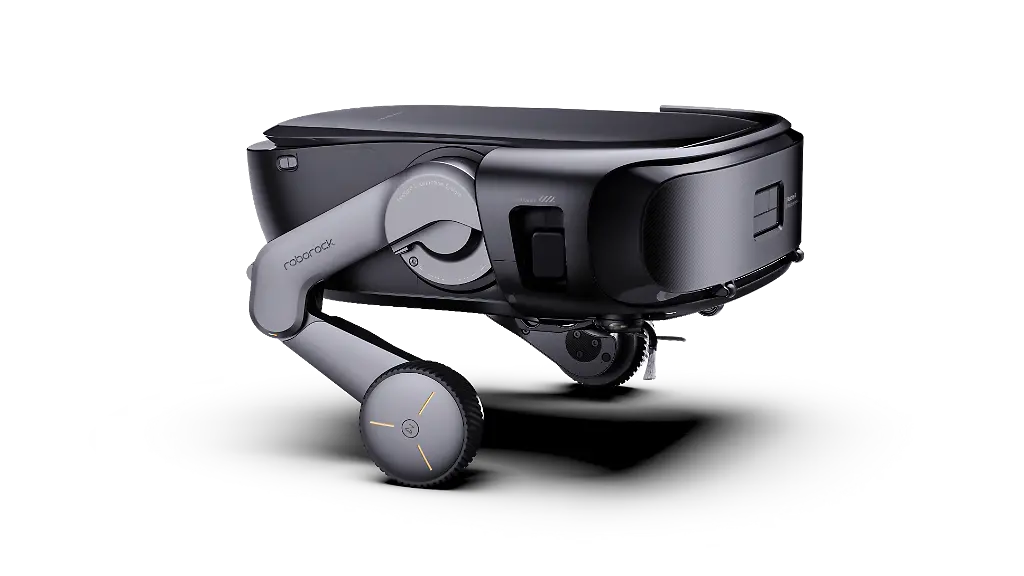
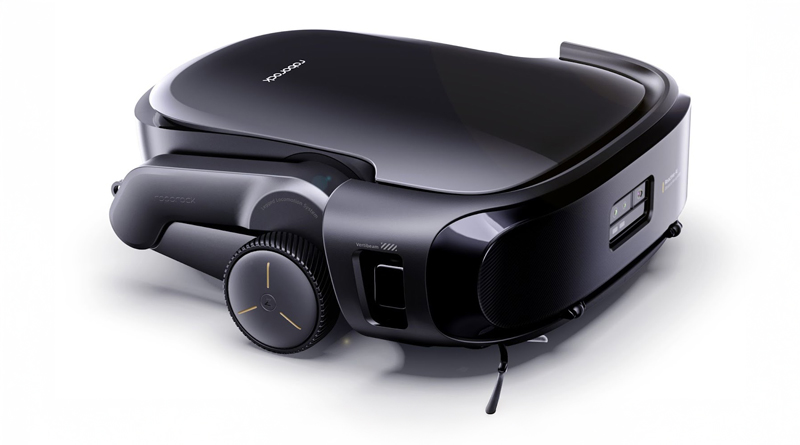
جارورباتیک روبوراک مدل ROBOROCK SAROS ROVER :
روبوراک برند پیشرو و بسیار با کیفیت در عرضه رباتیک است و این بار با معرفی این دستگاه نشان داد که واقعا بهترین است .
این مدل اینده نگرانه بسیار پیشرفته انقلابی در صنعت جارورباتیک هاست و میتواند به راحتی از پله هایتان بالا رفته و روی پله هایتان را نیز تمیز میکند . البته پیش تر نیز با مدل ROBOROCK SAROS Z70 این کار را کرده بود .
به محض مشخص شدن قیمت و موجود شدن این مدل اطلاع رسانی میکنیم و بعد میتوانید از جاست شیائومی آن را با گارانتی ۱۸ ماهه شرکتی خریداری کنید.
Roborock’s Saros Rover rightfully earned our Best of CES award, as I saw it successfully dodge obstacles, clean and even dance.

A stair-climbing robot vacuum isn’t a new idea. We saw an early attempt at it with the Dreame X50 Ultra, which was able to overcome thresholds of around 2 inches. Recently, at IFA 2025, we saw the Eufy Marswalker and Dreame CyberX, which use a system of treads and an additional shell to help the robot get up stairs. However, neither can actually clean the stairs.
The Roborock Saros Rover is different. It’s a robot with legs — and I mean real legs, not treads or a lift system.


The Saros Rover operates differently from the other stair-climbing robots I’ve seen demoed before. Instead of using a shell with tread attachments, it deploys a pair of legs and wheels to lever itself up over stairs and other obstacles. Its climbing is vaguely reminiscent of a stork or other long-legged bird, with the two legs acting as a support to push its large, flat body up on the next step. Then the legs fold themselves up behind its back, and then it deploys them again for the next step.

It took the Saros Rover approximately 30 to 40 seconds to climb about five large steps, so it’s certainly not very fast compared to a human, but it can and will clean each step as it moves up. It does that by using one leg for balance on the step below, then rolls itself up and down the next step to ensure it’s clean before moving on. This is notably something that Eufy told us that its Marswalker isn’t able to do, and the same is true of Dreame’s prototype model as well.

Roborock says that the Rover should be able to tackle both traditional and curved staircases, as well as different flooring types, included carpeted staircases with bullnose fronts. It’ll also help tackle other obstacles that may be present in your home, such as multilevel room thresholds.


What impressed me the most about the Saros Rover is its ability to balance and maneuver itself. Gone are the days of a hesitant robot vacuum that slowly and tentatively edges around obstacles, as if unsure of its surroundings. The Saros Rover not only climbs stairs, it rises up on its wheel-legs for added maneuverability. This gives it increased reach, lift and height, which Roborock compares to human mobility.

Once it reached the top of the stairs that Roborock set up for the demos, I watched it go down a fairly steep ramp with impressive control over its speed. It was even able to stop partway down the incline and reverse, which is something I’ve never seen another robot vacuum do before. It’s able to make sudden stops and turns, and even hop, which Roborock demonstrated for me with a cute little dance involving the Rover, surrounded by Saros Z70 models waving their arms in sync to the beat, much like a group of fans.

It’s all very impressive to look at and there was only one instance where I saw the Saros Rover lose its balance and stumble a little, but it seemed able to right itself fairly effectively before one of the Roborock booth staff swooped it up. In all fairness, these are early prototype models, so some hiccups are to be expected, but what was striking is just how few hiccups there actually were.

Whatever software Roborock uses to manage navigation and object avoidance is impressive. Roborock told me that it uses an AI algorithm, working in conjunction with complex motion sensors and 3D spatial information, to enable the wheel legs to react to their surroundings.
Object avoidance has been a big challenge for robot vacuums and even the best ones we’ve recommended at CNET have had issues avoiding certain obstacles like pet waste. The problem is mostly on the software end rather than the hardware end, so if the Saros Rover is able to handle stairs, thresholds, inclines and other barriers, that puts it heads and shoulders above most other robot vacuums on the market, at least until we see the capabilities of Narwal’s upcoming Flow 2.

| ابعاد | 79.8 × 353 × 350 میلیمتر |
|---|---|
| گارانتی | |
| ارسال |
جارورباتیک روبوراک مدل ROBOROCK SAROS ROVER
قوانین فروش کالا : ۱-سفارشات حداکثر طی ۲۴ تا ۴۸ ساعت کاری قابل ارسال می باشد. ۲-محصولات ارائه شده دارای ۴۸ ساعت مهلت تست فقط برای سلامت دستگاه و کالاهای بدون گارانتی و از زمان تحویل می باشد و مربوط به اصل بودن کالا و مشکلاتی که از جانب شرکت سازنده می باشد و درصورت بروز مشکل تعویض یا عودت وجه بستگی بنظر فروشنده دارد. ۳-دوستان گرامی به علت فروش همزمان محصولات بصورت فیزیکی و از طریق سایت، حتما قبل از خرید، موجودی و قیمت لحظه ای محصول مورد نظر را از طریق شماره های تماس و یا ادمین سایت جویا شوید. ۴-مسئولیت هر گونه سهل انگاری اعم از آدرس پستی و اطلاعات شخصی نادرست و یا اشتباهاتی نظیر انتخاب نادرست رنگ و نسخه به عهده خریدار می باشد.۵-ارسال سفارشات مانیتور با توجه به حساس بودن حمل و بیمه بودن کالا لطفا قبل از تحویل کالا حتما از سالم بودن پنل دستگاه مطمئن شوید, در غیر اینصورت درصورت آسیب دیدن دستگاه مسئولیتی به عهده جاست شیائومی نخواهد بود.
۶- خریداران مانیتور توجه داشته باشند طبق استاندارد جهانی هیچ شرکتی کمتر از ۳ پیکسل سوخته در یک صفحه را جزء گارانتی تعویض نمی داند.
*** خرید از سایت جاست شیائومی به منزله قبول مفاد بالا توسط خریدار می باشد ***